
Why Does Eczema Take So Long to Heal? (What Your Skin Is Really Asking For)
Over the years in my practice, I’ve worked with many individuals navigating eczema, both adults and children, and there is a common thread that runs through nearly every story.
They don’t just want clearer skin.
They want to:
feel comfortable in their own body again
sleep through the night without itching or waking
stop the constant cycle of flare and frustration
and finally feel like they’ve found something that truly helps
Because eczema is more than dry skin. It’s the itch that doesn’t stop, especially at night. It’s broken sleep. It’s skin that stings when water touches it. It’s the constant cycle of flare, temporary relief, and then starting all over again.
It can look like:
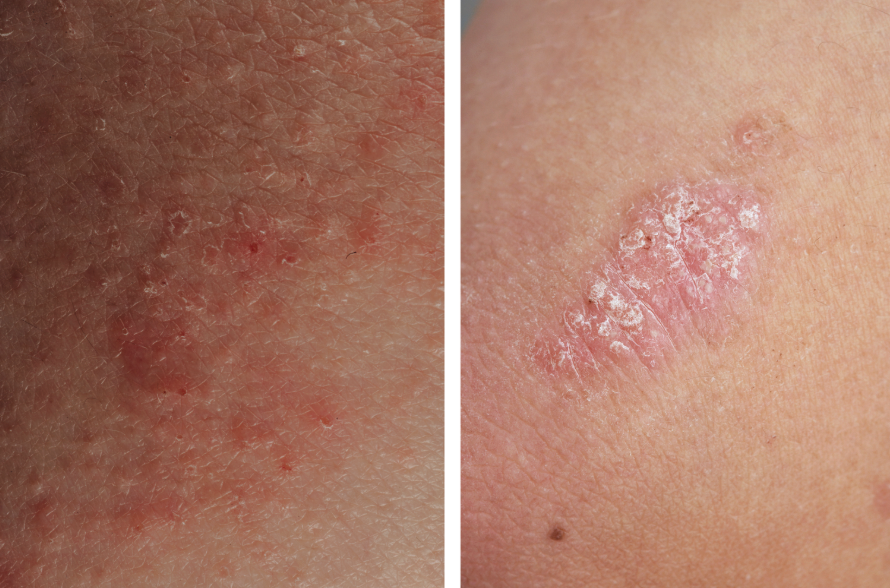
redness that lingers
patches that feel rough, inflamed, or raw
skin that cracks, weeps, or becomes easily irritated
a child who can’t stop scratching, no matter how much you try to soothe it
Over time, it becomes more than physical.
It begins to affect:
sleep and energy
mood and focus
confidence and comfort in your own skin
the rhythm of daily life
And underneath it all is a quiet, persistent question:
“Why isn’t this getting better?”
Many of the people I work with have tried multiple approaches; different creams, dietary changes, new routines, and they still feel like they’re managing symptoms rather than truly resolving the issue.
They’re doing the work. And yet, the results aren’t coming as quickly as they hoped.
A Different Perspective on Healing
Here’s what I want you to understand:
Eczema healing is not simply about clearing the skin. It’s about restoring balance within the body.
When we begin to look at eczema through this lens, something shifts.
Instead of asking:
“Why is this taking so long?”
We begin to ask:
“What is the body working to repair?”
Because eczema is not simply something to quiet, it’s something the body is asking us to understand.
Eczema Is Not Just a Skin Condition
Eczema, or atopic dermatitis, shows up on the skin, but it is not limited to the skin, and it is widely understood to involve both barrier dysfunction and immune dysregulation.
It reflects an interplay between:
the skin barrier
the immune system
the microbiome
and environmental exposures
When the barrier is compromised, the skin loses moisture more easily and becomes more permeable to irritants and allergens.
At the same time, the immune system tends to respond more aggressively, creating ongoing inflammation.
This combination is what makes eczema feel persistent, and why surface-level approaches often provide only temporary relief.

What’s Happening at the Skin Level
To understand why eczema takes time to heal, it helps to look more closely at the structure of the skin itself.
Because what we see; dryness, redness, irritation is often the result of deeper changes within the barrier.
Filaggrin: The Foundation of Barrier Strength
A protein called filaggrin, well established in the research as central to skin barrier function plays a key role in maintaining the strength and hydration of the skin.
In eczema-prone skin, filaggrin function is often reduced, whether due to genetic tendencies, inflammation, or both.
As a result:
moisture escapes more easily
the skin becomes more fragile
irritants and allergens can enter more readily
This is why eczema-prone skin is not simply dry. It is inherently more vulnerable.
Natural Moisturizing Factor: Internal Hydration
Filaggrin also breaks down into compounds that form the skin’s natural moisturizing factor.
These molecules help the skin retain water, maintain flexibility, and support a balanced environment on the surface.
When these levels are low:
dryness persists
barrier repair slows
reactivity increases
This helps explain why topical hydration alone is often not enough.
Histidine: A Nutritional Link to Repair
Histidine is an essential amino acid required for filaggrin production.
This creates a direct connection between nutrient intake and skin barrier integrity.
The body must have the raw materials available to rebuild.
The Role of Nutrition in Skin Repair
Once we understand the structure of the skin, it becomes clear why nourishment plays such a central role.
Healing requires more than removing triggers. It requires providing the body with what it needs to repair.
Protein: The Foundation of Repair
Protein supplies the amino acids necessary to rebuild skin tissue and support barrier proteins.
Without adequate intake:
repair processes slow
resilience is reduced
healing becomes more difficult
This is one of the most overlooked factors in chronic skin concerns.
Omega-3 Fats: Supporting a More Balanced Inflammatory Response
Omega-3 fatty acids help regulate inflammation and support healthy cell membranes.
In the context of eczema, this can contribute to:
improved skin comfort
reduced inflammatory signaling
better barrier function over time
Vitamin D: Immune System Support
Vitamin D plays a key role in immune regulation.
Because eczema involves immune dysregulation, adequate levels can help support a more balanced response and strengthen the skin’s defense systems.
Vitamin C: Repair and Protection
Vitamin C supports collagen production and helps protect the skin from oxidative stress.
It contributes to:
structural repair
tissue resilience
overall skin integrity
Why Healthy Detoxification Matters
Another important yet often overlooked piece of eczema healing is the body’s ability to process and eliminate what it no longer needs.
This isn’t about harsh cleanses or restrictions.
It’s about supporting the body’s natural detoxification systems, primarily the liver, gut, kidneys, skin, and lymphatic system—so they can function efficiently and consistently.
How This Connects to Eczema
Eczema often exists within a system that is already under strain:
higher inflammatory load
increased immune reactivity
compromised barrier function
and, at times, digestive imbalance
If the body is less efficient at processing metabolic byproducts, environmental exposures, or inflammatory compounds, that burden can accumulate, contributing to a system that feels more reactive and less able to fully resolve inflammation.
The Role of Amino Acids in Detoxification
Detoxification is a nutrient-dependent process, and at its core, it relies heavily on amino acids.
Amino acids, derived from dietary protein, are required for many of the liver’s detoxification pathways. They help the body:
transform compounds into safer forms
bind and neutralize substances
and prepare them for elimination
Without a steady and sufficient supply of amino acids, these processes can become less efficient.
This is one of the reasons why protein intake is so foundational; not only for skin repair, but for the body’s ability to maintain internal balance.
Fiber: Supporting Elimination and Microbiome Balance
Equally important is the body’s ability to eliminate what has been processed.
This is where fiber plays a critical role.
Dietary fiber helps:
support regular bowel movements
bind and carry out waste and byproducts
nourish beneficial gut bacteria
and support overall microbiome balance
Without adequate fiber, the body may struggle to efficiently eliminate what it has already worked to process.
For most individuals, a daily intake of around 35 grams of fiber is a supportive target.
Nutrient Status Shapes Detox Capacity
Detoxification reflects overall nutritional status.
When the body is undernourished, depleted, or not absorbing nutrients well, it may struggle to carry out these processes effectively.
This is particularly relevant in individuals with eczema, where inflammation is ongoing and nutrient needs may be higher
Supporting Detoxification Gently and Effectively
The goal is not to push the body harder.
It is to support what it is already designed to do.
This includes:
eating enough, consistently
prioritizing protein and nutrient-dense foods
aiming for ~35 grams of fiber daily
supporting digestion and absorption
maintaining regular elimination
staying well hydrated
incorporating movement
and prioritizing sleep
When these foundations are in place, the body is better positioned to reduce internal burden and support healing.

Why Healing Takes Time
When you take a more comprehensive approach, you are no longer just addressing symptoms.
You are:
rebuilding the skin barrier
restoring internal hydration mechanisms
calming immune overactivity
supporting the microbiome
replenishing nutrients
and improving the body’s ability to process and eliminate
This is a process of rebuilding, and not just about quick correction.
And rebuilding, by nature, takes time.
When Eczema Is Part of a Bigger Picture
For some individuals, eczema does not exist in isolation.
It may be accompanied by:
allergies or sensitivities
asthma
digestive imbalances
or broader immune patterns
In some cases, it may also coexist with other immune-mediated conditions.
Eczema often reflects how the body is functioning as a whole.
And for many, that includes what is happening within the gut.
The Gut–Skin Connection
The gut plays a central role in regulating inflammation, maintaining barrier integrity, and communicating with the immune system.
When the gut environment is balanced, it supports a more stable immune response.
When it is not, the immune system can become more reactive, something that often shows up in conditions like eczema.
A Closer Look at the Microbiome
Within the gut microbiome, certain bacteria play a particularly important role in maintaining the integrity of the gut lining.
One of these is Akkermansia muciniphila.
This beneficial bacterium helps support the protective mucus layer of the gut, which acts as a critical barrier between the gut and the rest of the body.
In clinical practice, it’s not uncommon to see lower or imbalanced levels of Akkermansia in individuals with chronic skin conditions.
While this doesn’t mean it is the cause of eczema, it can reflect a broader pattern of:
compromised gut barrier function
increased immune activation
and a system that is more prone to reactivity
Over time, this internal environment can contribute to inflammation that is expressed through the skin.
If you’d like to explore this connection more deeply, I share a more detailed look in my article, “Akkermansia: The Unsung Hero of Gut Health, and What It Means for Your Skin.”
What Progress Actually Looks Like
Healing is rarely linear.
And often, progress is happening before it is fully visible.
It may look like:
less intense flares
faster recovery
fewer disruptions to sleep
reduced itching
skin that gradually feels stronger
These changes are meaningful and often signal that the body is moving in the right direction.
The Emotional Weight of Eczema
Eczema affects more than just the skin.
It touches comfort, confidence, daily life, and emotional well-being.
It can lead to constant second-guessing:
Am I doing enough?
Am I missing something?
If this resonates, it’s important to remember:
Healing that takes time is not failed healing. It is often deeper healing.

What Your Skin Is Really Asking For
Eczema is not simply something to eliminate.
It is a signal.
A signal that the body may need:
nourishment
stability
reduced inflammation
and time
When we begin to listen in this way, healing becomes more grounded, and ultimately more sustainable.
A Different Way to Think About Healing
Instead of asking:
Why isn’t this going away faster?
Ask:
What does my body need to truly repair?
If You’re Ready for a More Personalized Approach
If you’re feeling exhausted from trying to manage symptoms and are ready for a more thoughtful, individualized approach; one that looks beyond the surface and supports your body more fully, I would be honored to work with you.
You’re welcome to schedule a conversation to explore how we can support your skin and your overall health in a more meaningful way.