
The Skin Barrier: What It Is, Why It Breaks Down, and How to Repair It
A common thread I hear from clients is that their skin has become increasingly reactive over time. Products that once felt fine now cause irritation, and a simple routine no longer seems to work the way it once did. There’s often a sense that the skin is more sensitive, more unpredictable; sometimes dry, sometimes inflamed, and often difficult to fully settle.
In many cases, this points to something deeper than just surface-level sensitivity. It reflects a disruption in the skin barrier, something that is often misunderstood and frequently addressed in ways that don’t fully resolve it.
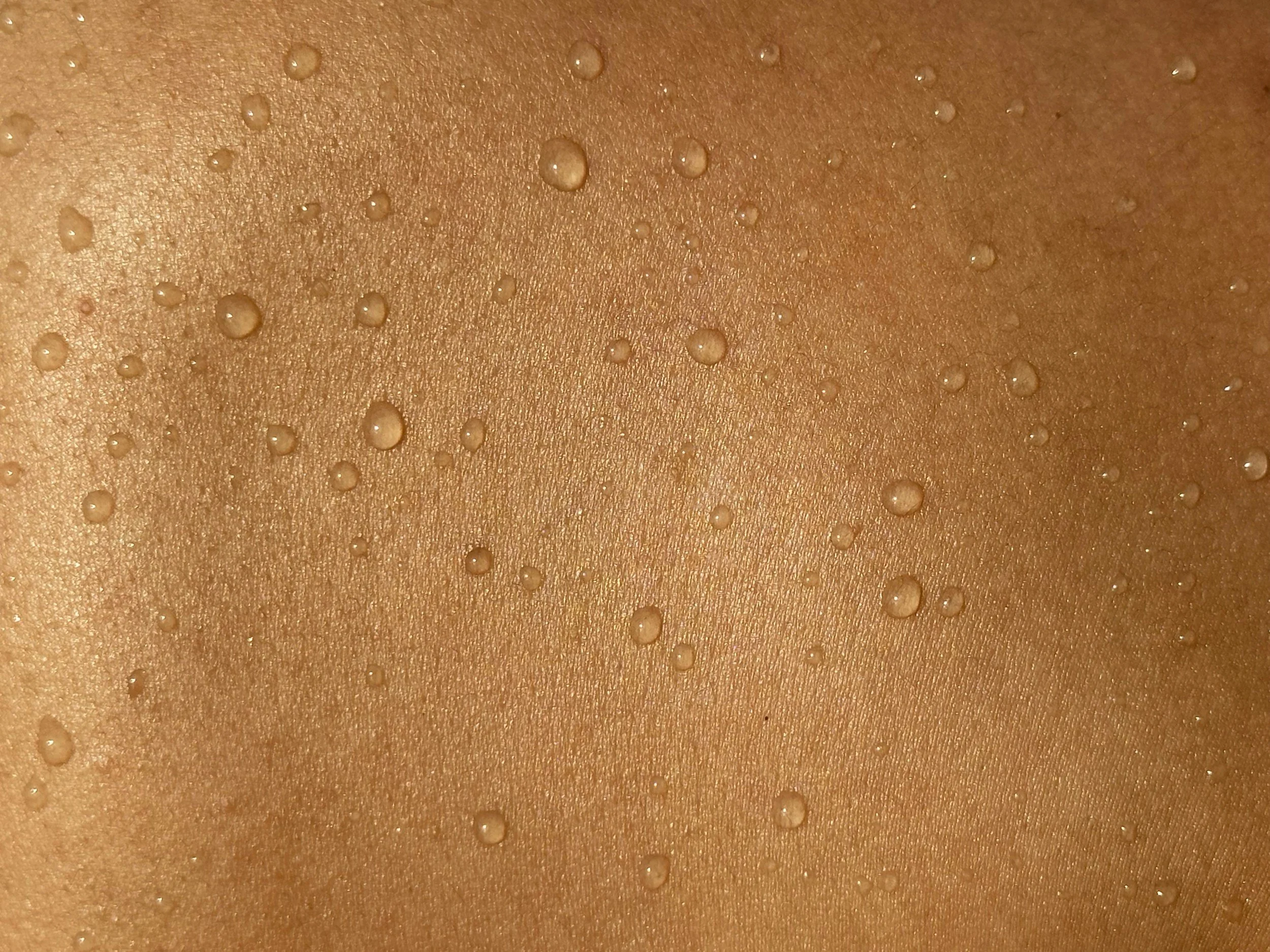
What the Skin Barrier Actually Is
At its simplest, the skin barrier is the outermost layer of your skin, often referred to as the stratum corneum. It sits at the surface, but it’s part of a larger, layered system. Beneath it are deeper structures that support hydration, repair, and overall skin function, and together these layers work to maintain balance and resilience.
The barrier itself acts as a protective interface between your body and the external environment, helping to keep irritants, allergens, and microbes out while maintaining hydration and preventing excessive water loss. When it functions well, the skin feels more stable. It holds moisture effectively, recovers more easily from stress, and is less reactive to changes in products, environment, or internal shifts.
It’s not something most people think about until it’s no longer working the way it should. And when that balance is disrupted, the skin often begins to behave very differently.
What Happens When the Skin Barrier Breaks Down
When the skin barrier is compromised, the changes are often subtle at first, but over time they become more noticeable. The skin may feel drier, tighter, or more sensitive than usual, and products that once felt fine may start to cause irritation. There may be more redness, more reactivity, or a general sense that the skin is less predictable overall.
In some cases, this shows up as breakouts or inflammation that feel different from what you’ve experienced before. In others, it’s more of a loss of resilience. The skin takes longer to recover, and small stressors seem to have a greater impact.
It’s also common to see a cycle begin to develop. The skin becomes irritated, which leads to trying new products or treatments to calm it. This can sometimes be helpful in the short term, but not always supportive in the long term. Over time, this can further disrupt the barrier, making the skin more reactive and more difficult to stabilize.
What often gets missed is that this isn’t just about the surface of the skin. While external factors certainly play a role, a compromised barrier is often influenced by what’s happening internally as well. Without addressing those underlying influences, the skin tends to remain in that cycle.
Why the Skin Barrier Breaks Down
There are several reasons the skin barrier can become compromised, and in most cases, it’s not just one factor, but it’s a combination.
From a surface-level perspective, common contributors include overuse of exfoliating products, harsh cleansers, or applying too many active ingredients at once. These can strip the skin and disrupt its natural balance over time.
But what I often see in practice is that these external factors are only part of the picture. The skin barrier is closely connected to the body’s internal environment, and when that environment is under stress, the skin’s ability to maintain resilience can change.
Imbalances in the gut can influence inflammation and immune signaling, both of which play a role in how the skin repairs and regulates itself. Nutrient status also matters. The skin relies on key nutrients, such as essential fatty acids, zinc, vitamin A, C, D, E, and B vitamins to maintain structure, hydration, and integrity, and when these are not adequately absorbed or utilized, the barrier can become more vulnerable.
Underlying all of this is inflammation. When the body is in a more activated state, the skin often reflects that, becoming more reactive, more sensitive, and slower to recover. This is why focusing only on topical skin barrier repair doesn’t always create lasting change. To truly support the skin barrier, it often requires looking at both what’s happening on the surface and what may be contributing beneath it.

The Gut–Skin Barrier Connection
The skin barrier doesn’t exist in isolation. It’s part of a broader system of protective barriers in the body, one of the most important being the gut. The gut lining serves a similar function, acting as a selective barrier that allows nutrients to pass through while keeping unwanted substances contained.
When this system is functioning well, it supports balanced immune signaling and helps regulate inflammation. But when the gut barrier becomes compromised, it can shift how the body responds more broadly. The immune system may become more activated, and inflammatory pathways may become more pronounced.
Over time, this internal environment can influence how the skin behaves, particularly its ability to maintain its own barrier integrity. This is often why skin that appears dry, reactive, or slow to repair doesn’t fully respond to topical support alone. The surface may be treated, but the underlying environment that supports barrier function remains unchanged.
When both the gut and skin are viewed through this lens, as interconnected barriers, the approach to repair becomes more complete and often more effective over time. This is something I consider carefully in practice, especially when the skin is not responding in a lasting way to surface-level support.
How to Support the Skin Barrier
When the skin barrier has been compromised, the goal is not simply to fix it quickly, but to create conditions that allow it to rebuild and function more effectively over time. This usually requires a more balanced approach, one that considers both what is happening on the surface of the skin and what may be influencing it internally.
From the Inside
Supporting the skin barrier internally begins with nourishment. The skin relies on a steady supply of nutrients to maintain structure, hydration, and resilience, including adequate protein, essential fatty acids, and key micronutrients such as zinc, vitamin A, C, D, E, and B vitamins, all of which play a role in repair, immune function, and overall barrier integrity.
Just as important is supporting the gut microbiome, where much of the body’s immune regulation and inflammatory balance is shaped. A diverse, fiber-rich diet helps nourish beneficial bacteria that, in turn, support both gut integrity and systemic balance. This is something I explore more fully in my article on the gut–skin connection, as the health of the gut often directly influences how well the skin barrier can function.
Beyond this, supporting the gut environment more broadly helps regulate inflammation, improve nutrient absorption, and create a more stable internal foundation for the skin. When the body is in a more regulated state, the skin is often less reactive and better able to recover.
From the Outside
At the same time, simplifying the external approach is often helpful. This may include reducing over-exfoliation or the use of strong actives, choosing products that support hydration and the skin’s natural lipid barrier, and allowing skin time to recalibrate rather than constantly changing routines.
In many cases, less becomes more, particularly when the skin has become reactive or easily disrupted.
Bringing It Together
What often makes the difference is not focusing exclusively on one side or the other but rather bringing both together. When the internal environment is supported alongside a more gentle, consistent external approach, the skin is often able to rebuild in a way that feels more stable and sustainable.
A Different Way to Look at the Skin Barrier
When the skin barrier becomes compromised, it’s often approached as something that needs to be quickly repaired or corrected. In many cases, though, it’s more helpful to step back and understand why that breakdown occurred in the first place.
The skin is not separate from the rest of the body. Its ability to maintain strength, hydration, and resilience is influenced by both external and internal factors, and when those influences are out of balance, the skin often reflects that through increased sensitivity, reactivity, or inconsistency.
Supporting the surface of the skin is important, but lasting change typically comes from a more complete approach, one that considers the broader environment the skin is functioning within. It’s less about doing more, and more about looking at the skin in a more connected way.
An Invitation to Go Deeper
If your skin has become more reactive, sensitive, or difficult to stabilize, it may be worth taking a more comprehensive look at what’s contributing beneath the surface.
In my practice, I work with individuals to understand the underlying factors influencing skin health, often including the gut, immune system, and overall inflammatory balance and then develop a personalized approach that supports both internal health and the skin’s ability to repair over time.
If you’re ready to explore your skin from that perspective, you’re welcome to schedule a conversation to see if this approach feels like the right fit for you.
You may also want to read these supportive blogs for more in-depth information: