
Can SIBO Cause Skin Problems? The Gut Skin Connection Behind Acne, Rosacea, Eczema and More
If you are dealing with stubborn acne, rosacea, eczema, or other inflammatory skin symptoms, your first instinct may be to look at what you are putting on your skin.
But sometimes, part of the story is happening much deeper.
When skin symptoms persist, understanding what is happening in the gut can provide important clues. One gut condition that may be part of the picture for some people is small intestinal bacterial overgrowth, or SIBO.
SIBO is best known for digestive symptoms such as bloating, gas, constipation, diarrhea, and abdominal discomfort. But we now understand much more about the gut skin connection and how changes within the gut can influence inflammation, immune function, and potentially what is happening to the skin.
That does not mean everyone with acne, rosacea, eczema, or psoriasis has SIBO. They don't. But when persistent skin problems occur alongside digestive symptoms, food sensitivities, nutrient deficiencies, or other signs of disrupted gut function, it may be worth looking beyond the skin itself.

What is sibo?
SIBO stands for small intestinal bacterial overgrowth.
Most of the bacteria that make up your gut microbiome live in the large intestine. The small intestine normally contains far fewer bacteria.
With SIBO, too many bacteria, or an abnormal mix of bacteria, are present in the small intestine. These bacteria can begin fermenting carbohydrates before they reach the large intestine, producing gas and contributing to uncomfortable digestive symptoms.
Common SIBO symptoms can include:
Bloating, particularly after eating
Excessive gas
Abdominal discomfort
Diarrhea
Constipation
Changes in bowel habits
Feeling unusually full after meals
Food intolerances
Nutrient deficiencies in some cases
And then there are symptoms that may not immediately make you think about your gut.
For some people, skin may be one of them.

how could sibo affect your skin?
Your gut and skin may seem like completely separate parts of the body, but they are constantly communicating. Researchers often refer to this relationship as the gut skin axis.
The bacteria living in your gut help regulate your immune system, support the gut lining, and produce compounds that can influence inflammation throughout the body. When the balance within the gut changes, those effects do not necessarily stay in the digestive tract.
There are several ways SIBO and the gut imbalances surrounding it could potentially influence the skin.
1. SIBO May Contribute to Inflammation
SIBO can change the environment within the digestive tract and influence the way the immune system responds.
Why does that matter for your skin?
Acne, rosacea, eczema, and psoriasis all involve inflammation. Gut dysfunction is certainly not the only reason these conditions develop, but for some people it may add to the inflammatory burden already affecting the skin.
2. Gut Barrier Function May Be Affected
The lining of your digestive tract acts as an important barrier. It allows nutrients to pass through while helping keep potentially harmful substances where they belong.
When the gut environment is disrupted, that barrier may not function as effectively. This can increase interactions with the immune system and potentially contribute to inflammation elsewhere in the body.
Researchers continue to study how these changes may influence inflammatory skin conditions through the gut skin connection.
3. SIBO Can Affect Nutrient Absorption
Healthy skin needs adequate nutrition.
When bacterial overgrowth interferes with normal digestion or nutrient absorption, the body may have a harder time accessing some of the nutrients it needs for healthy skin and repair.
This becomes especially important when someone has experienced digestive problems for a long time or has already removed many foods from their diet to control their skin.
More restriction is not always the answer.
4. SIBO May Be One Piece of a Larger Gut Problem
Finding SIBO does not necessarily mean you have found the single cause of your skin condition.
An equally important question is why the intestinal environment allowed SIBO to develop in the first place.
Digestive function, how well food moves through the intestines, medication and antibiotic history, previous infections, stress, dietary patterns, and changes within the gut microbiome can all play a role.
Understanding those factors can be important not only for addressing SIBO, but also for reducing the likelihood of symptoms returning.
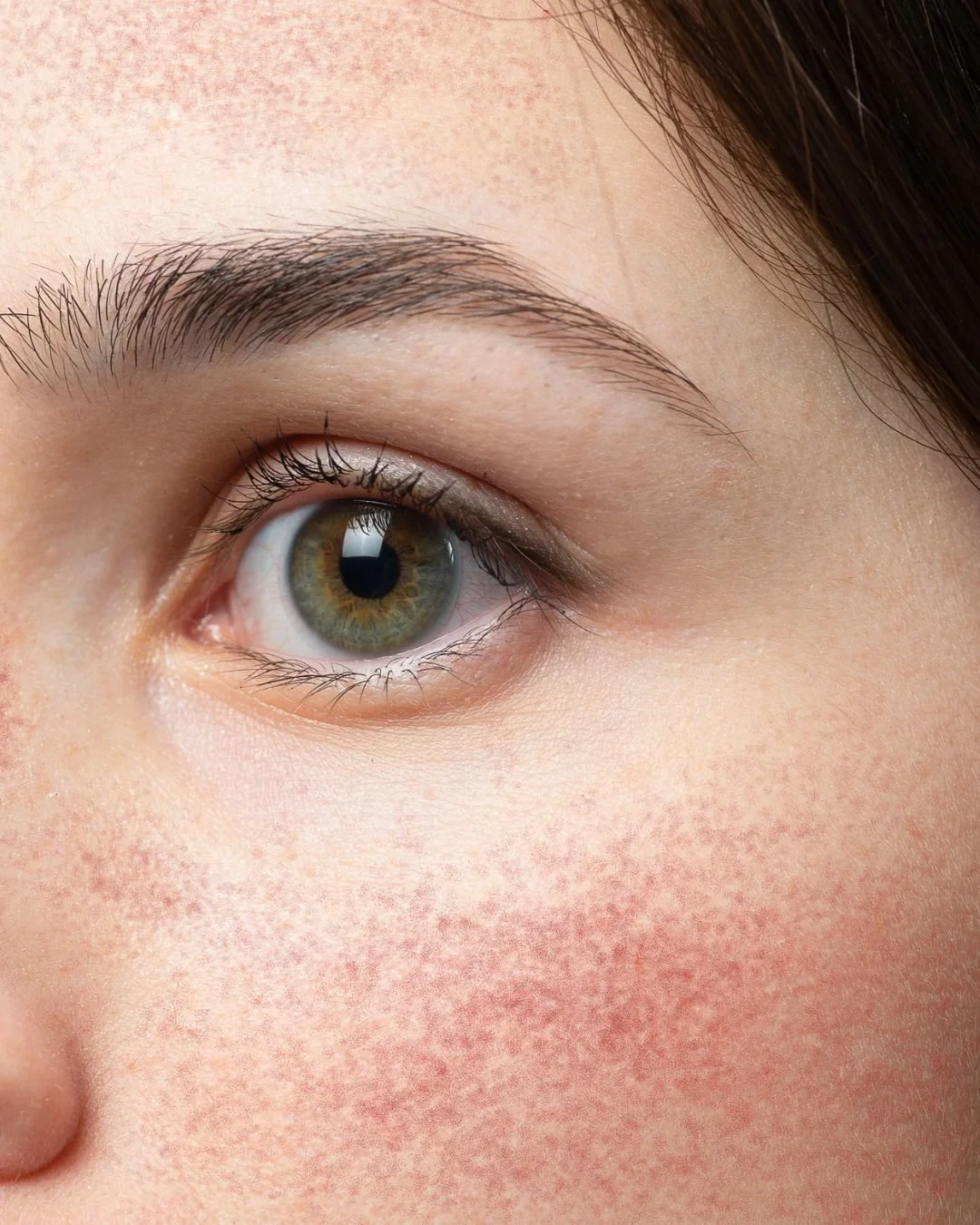
sibo and rosacea: where evidence is strongest
Of the inflammatory skin conditions, rosacea currently has the strongest direct research connecting it with SIBO.
A 2025 review and analysis of six studies found SIBO in approximately 36% of people with rosacea compared with approximately 9% of people without rosacea. Overall, people with rosacea were about 3.5 times more likely to have SIBO in this analysis.
Earlier research also found that treating SIBO in people who had both conditions was associated with significant improvement in rosacea lesions.
Those findings are compelling, but they do not prove that SIBO causes rosacea.
Not every study has found the same association, and rosacea is a complex condition with many possible contributing factors.
What the research does tell us is that the relationship between the gut and rosacea deserves attention, particularly when someone has persistent rosacea along with digestive symptoms.
What about sibo and acne?
The relationship between SIBO and acne is less clearly established.
We do, however, have growing research supporting a connection between the gut microbiome and acne. Researchers have found differences in gut bacteria in people with acne and continue to investigate how the microbiome, diet, blood sugar, inflammation, and immune function may interact with acne development.
If someone has persistent acne along with significant bloating, constipation, diarrhea, food reactions, or other signs of digestive dysfunction, SIBO may be worth investigating as one potential contributor within a much larger acne picture.
Hormones, blood sugar regulation, nutrient status, stress, skincare, dietary patterns, and other aspects of gut health may need consideration as well.
can sibo be connected to eczema or psoriasis?
The direct evidence connecting SIBO specifically to eczema and psoriasis is much more limited.
But researchers have found differences in the gut microbiome in several inflammatory skin conditions, including eczema, also called atopic dermatitis, and psoriasis.
That does not mean everyone with eczema or psoriasis needs to be tested for SIBO.
Instead, digestive symptoms can help provide context. Regular bloating, constipation or diarrhea, increasing food reactions, repeated antibiotic use, nutrient deficiencies, or other signs of impaired digestion may suggest that a deeper look at gut health makes sense.
a 3 phase approach to sibo and skin problems
If SIBO is part of the picture, I do not believe the answer is simply to eliminate the bacteria as quickly as possible and hope the problem stays away.
A more complete approach considers what needs to happen before treatment, during treatment, and after treatment.
I think about this in three phases:
Prepare
Treat and Restore
Reassess and Maintain
Phase 1: Prepare
Before jumping into treatment, I want to understand what is happening and make sure the body is ready for the work ahead.
This means looking at digestive and skin symptoms together, bowel regularity, diet and food restrictions, medication and antibiotic history, nutrient status, stress, sleep, and other factors that may be contributing to the problem.
Preparation may include supporting regular bowel movements, improving meal patterns, addressing inadequate nutrition, and determining whether testing or additional medical evaluation is appropriate.
The goal is not to create a perfect diet. It is to create a stronger foundation before moving into active treatment.
Phase 2: Treat and Restore
Once that foundation is in place, treatment can focus on addressing overgrowth while supporting a healthier digestive environment.
The appropriate SIBO treatment depends on the individual and may involve working with a qualified healthcare professional to address the overgrowth.
But reducing excess bacteria is only one part of the process.
This phase may also involve supporting digestion, bowel regularity, healthy movement through the intestines, adequate nutrition, food variety, and a healthier gut environment.
For someone with a chronic skin condition, the skin needs attention too. Skincare, the skin barrier, hormones, blood sugar, nutrient status, and stress may all be relevant depending on the individual.
The goal is to address SIBO while also supporting the factors that can influence healthier digestion and skin.
Phase 3: Reassess and Maintain
Feeling better does not necessarily mean the work is finished.
This phase is about reassessing symptoms and, when appropriate, testing to understand what has changed and what may still need attention.
It is also about moving away from active treatment and toward something sustainable. That may include maintaining regular bowel movements, expanding food variety, getting adequate nutrition, supporting sleep and stress regulation, and recognizing symptoms early if they begin to return.
For some people, an early warning sign may be bloating or a change in bowel habits. For others, it may be increased redness, breakouts, itching, or skin sensitivity.
The goal is not to stay on a restrictive diet or complicated supplement protocol forever. It is to support a healthier digestive environment that you can maintain.
signs your skin problems may warrant a closer look at your gut
Skin symptoms alone are not enough to diagnose SIBO.
But persistent skin problems alongside certain digestive symptoms may be a reason to investigate further:
Regular bloating or abdominal distention
Constipation, diarrhea, or alternating between the two
Excessive gas
Increasing food sensitivities
Feeling worse after certain carbohydrates or high fiber foods
A history of gastrointestinal infections
Nutrient deficiencies
Digestive symptoms that began before or around the same time as the skin symptoms
Having these symptoms does not mean you have SIBO. They simply provide useful clues that the gut may deserve a closer look.
your skin may be telling you to look deeper
When you have struggled with your skin for months or years, it is easy to keep searching for the next cream, supplement, elimination diet, or skincare routine.
Sometimes those things help.
But if the improvement never lasts, or your skin symptoms exist alongside digestive problems, it may be time to ask a different question:
What is keeping my body in an environment where these symptoms continue to occur?
SIBO may be part of that answer for some people. For others, a different aspect of gut health may be more important.
And gut health is not always the entire story. Hormones, blood sugar, immune function, nutrition, stress, environmental exposures, and the skin barrier can all influence chronic skin conditions.
The goal is to understand how gut health may be contributing to what is happening on the skin, while recognizing that chronic skin conditions are rarely driven by one factor alone.
That is where deeper, more individualized work can make a meaningful difference.
ready to look deeper?
If you are struggling with persistent acne, eczema, psoriasis, or rosacea and suspect your gut may be part of the picture, my work focuses on identifying the underlying factors that may be contributing to your skin symptoms rather than simply chasing the latest flare.
Through my Root Cause Skin Support Program, we take a comprehensive look at gut health, nutrition, inflammation, lifestyle, and the other factors influencing your skin, then build a personalized plan around what your body needs.
The first step is completing a brief application so I can learn more about what you have been experiencing and determine whether my approach may be appropriate for you.