
When your child has eczema, it can feel like you are constantly trying to stay one step ahead of the next flare.
You change the soap. You switch laundry detergent. You moisturize multiple times a day. You remove a variety of foods. You add foods back. You try another cream. The skin improves for a while, only to become red, itchy or uncomfortable again.
And when eczema begins affecting sleep, clothing, school, activities or simply how comfortable your child feels in their own skin, finding the right child eczema treatment becomes about much more than clearing a rash.
For some children, good skin care and appropriate medical treatment provide the control they need. For others, especially when eczema continues to return despite doing all the “right” things, it can be helpful to look more broadly at what may be contributing to the inflammatory picture.
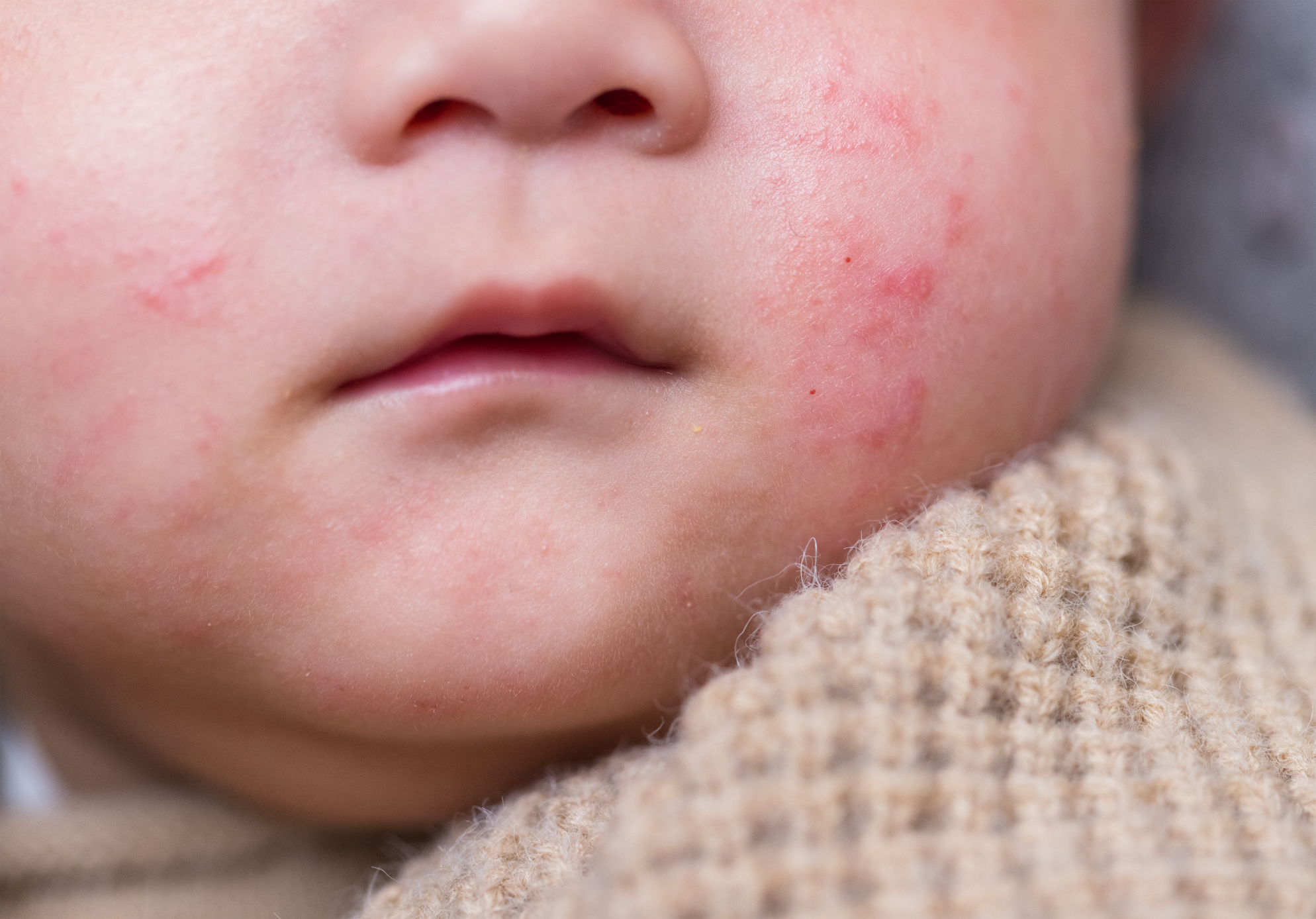
What Is Eczema in Children?
Eczema, particularly atopic dermatitis, is a chronic inflammatory skin condition that commonly begins during childhood. It can cause dry, itchy, inflamed skin and tends to move through periods of improvement and flares.
It is also very common. The American Academy of Pediatrics reports that atopic dermatitis affects approximately 20 to 25 percent of children. Researchers now understand that the condition involves an interplay between the skin barrier, immune system and microorganisms living on the skin.
This helps explain something parents often experience firsthand: eczema is rarely as simple as finding the right moisturizer.
What Is the Standard Treatment for Eczema in Children?
Conventional eczema treatment for children typically focuses on restoring the skin barrier, reducing inflammation, controlling itching and preventing infection.
Depending on the child's age and severity of eczema, treatment may include regular use of fragrance-free moisturizers, gentle bathing and skin care, prescription topical medications and, in more severe cases, systemic or biologic medications.
Calming inflammation and protecting a damaged skin barrier can give a child tremendous relief. Effective eczema care should not require parents to choose between supporting the skin externally and exploring what else may be influencing inflammation internally.
Sometimes both deserve attention.

Why Does My Child's Eczema Keep Coming Back?
This is often the question that brings families to my practice.
A child's skin may improve temporarily with treatment, but the eczema returns as soon as treatment stops. Or perhaps the rash never completely settles. Parents may find themselves cycling through products, diets and supplements without really understanding why their child's skin remains so reactive.
Eczema is complex, and there usually isn't one universal explanation.
Depending on the child, I may consider factors such as:
Skin barrier health
Diet and overall nutrient intake
Digestive health and gastrointestinal symptoms
Gut microbial balance
Immune function
Food reactions or true food allergies when clinically appropriate
Environmental exposures and irritants
Stress and sleep
The child's overall inflammatory burden
The goal is to understand the child's larger health picture and determine which factors actually deserve attention.
That distinction matters, particularly when children are involved.
Does Gut Health Affect Eczema in Children?
The relationship between the gut, immune system and skin has become an important area of research.
The gastrointestinal tract contains an enormous community of microorganisms collectively known as the gut microbiome. These organisms interact with the immune system, help produce metabolites and influence the integrity of the intestinal environment.
Researchers continue to investigate how differences in the gut microbiome may relate to the development and severity of atopic diseases, including eczema.
That does not mean every child with eczema has a “gut problem.” Nor does it mean changing the microbiome will automatically clear eczema.
But when a child has persistent eczema alongside digestive symptoms, repeated antibiotic exposure, significant food restriction or other signs that warrant a closer look, gut health may be one useful piece of the clinical picture.

Is Food Causing My Child's Eczema?
Food is one of the first places many parents look at when their child's eczema will not clear.
Sometimes food does matter. But this is also an area where families can become unnecessarily restricted.
A parent removes dairy. Then gluten. Then eggs. Then soy. Soon the list of “safe” foods becomes smaller and smaller, while the eczema is still there.
Children have substantial nutrient needs for growth and development. Removing multiple foods without a clear reason can make meeting those needs more difficult and can create stress around eating for the entire family.
Rather than assuming certain foods need to be eliminated, I prefer to ask a different question:
What does this particular child's history tell us?
That may mean evaluating diet quality, nutrient intake, digestive function, symptoms and medically diagnosed food allergies while determining whether dietary changes are actually warranted.
The goal should be to expand a child's diet whenever possible, not continually make it smaller.

A Three-Phase Approach to Persistent Eczema in Children
When I work with children whose eczema has been difficult to calm, I use a structured three-phase approach. This gives us time to understand what is happening, support the body appropriately and adjust the plan based on how the child responds.
Phase 1: Prepare and Build the Foundation
Before jumping into supplements or complicated protocols, we establish the foundations.
This includes looking closely at the child's food intake, digestion, bowel patterns, sleep, lifestyle, skin care and overall symptom history. Functional testing, including the GI-MAP, gives us additional information about the gastrointestinal environment and helps guide the individualized plan.
This phase is important because children should not be placed on aggressive protocols simply because they have eczema.
We first need to understand the child.
For some families, even strengthening these foundations can begin to create meaningful shifts. Digestion may become more regular. Sleep may improve. The child may be less uncomfortable, and the skin may begin to look and feel calmer.
Phase 2: Target What Needs Attention
Once we have the information we need, we can become more targeted.
Rather than using the same “eczema protocol” for every child, nutrition, supplements and lifestyle strategies are selected according to the child's individual findings and needs.
The plan also evolves.
Children's bodies change. Symptoms change. Skin changes. Something that made sense at the beginning may need to be adjusted several weeks or months later.
During this phase, the goal is to support the areas that appear most relevant while continuing to nourish the child adequately and protect the progress being made.
This is often where parents begin to see more noticeable changes: longer stretches of calmer skin, less intense flares, improved sleep and a child who simply seems more comfortable.
Phase 3: Reassess and Maintain
Improvement is wonderful. Understanding whether that improvement can be maintained is just as important.
In the final phase, we reassess symptoms and repeat testing when appropriate to see what has changed and what may still need support.
From there, we can adjust the plan, begin stepping away from active treatment where appropriate and focus more heavily on maintenance.
The goal is not perfection or a promise that a child will never experience another flare.
It is to help create a more resilient foundation so that eczema is no longer dictating so much of the child's or family's life.
What Does Progress Look Like?
Parents understandably want to know how quickly their child's eczema will improve.
There isn't one timeline that applies to every child.
Eczema is a chronic, relapsing condition, and even children whose skin becomes significantly calmer can experience flares. Weather, illness, stress, allergens, irritants and other factors can all influence the skin.
Progress may look like:
More areas of visibly clear or calmer skin
Less redness and inflammation
Flares occurring less often
Flares becoming less intense or resolving more quickly
Less scratching and discomfort
Better sleep
Greater food variety
A child feeling more comfortable participating in everyday life
Those changes matter.
For a family that has been waking throughout the night because their child cannot stop scratching, sleeping through the night again can be enormous.

Finding the Right Child Eczema Treatment
If your child's eczema keeps coming back, the answer may not be another round of random food elimination, supplements or skin products.
It may be time for a more organized look at the whole picture.
My pediatric skin work combines functional nutrition with specialized training in root cause approaches to children's skin conditions. I work alongside the care a child is already receiving to explore nutrition, gastrointestinal health, immune function, lifestyle and other factors that may be contributing to persistent eczema.
The purpose of our work is to identify what appears most relevant for your child, create a thoughtful plan and reassess along the way so that we know whether what we are doing is actually helping.
Because ultimately, the goal is bigger than better-looking skin.
It is calmer nights. A less stressful relationship with food. More confidence about what your child needs. And a child who can spend more time being a child instead of constantly dealing with uncomfortable skin.
Ready to Take a Different Approach to Your Child's Eczema?
If your child's eczema continues to return despite everything you've tried, there may be more to explore.
Through my Root Cause Skin Support Program, I work with families to look beyond the surface of the skin, exploring nutrition, gut health, immune function, and other factors that may be contributing to persistent eczema. Using a personalized, three-phase approach, we focus on understanding your child's individual needs and identifying opportunities to support healthier skin, greater comfort, and overall well-being.
You don't have to keep guessing about what to try next.
If you're ready for a more thoughtful, individualized approach to your child's eczema, I invite you to take the first step.
Apply for Root Cause Skin Support
Once I review your application, we'll determine whether the program is a good fit and arrange a discovery call to discuss your child's needs and how I may be able to help.